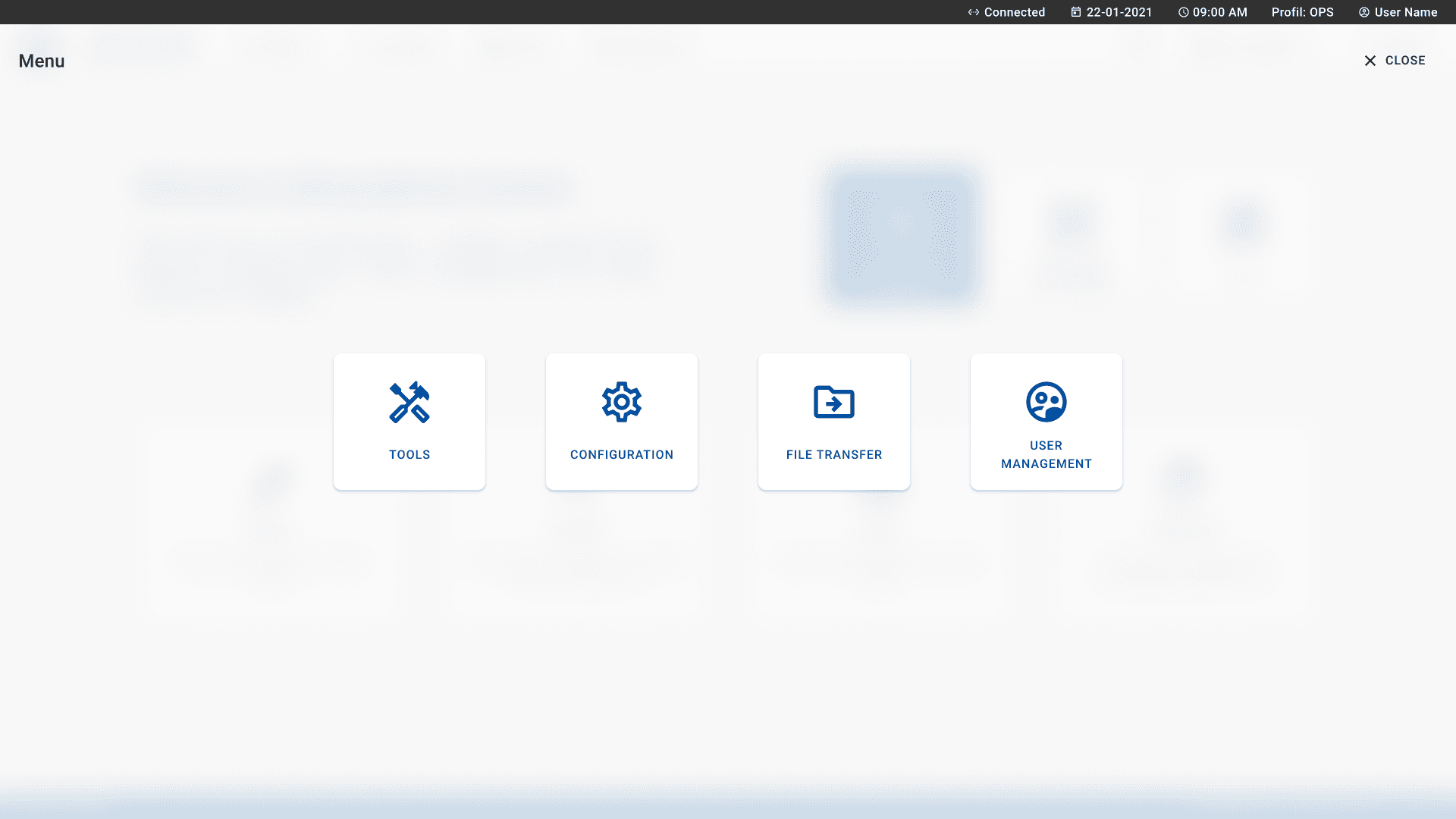


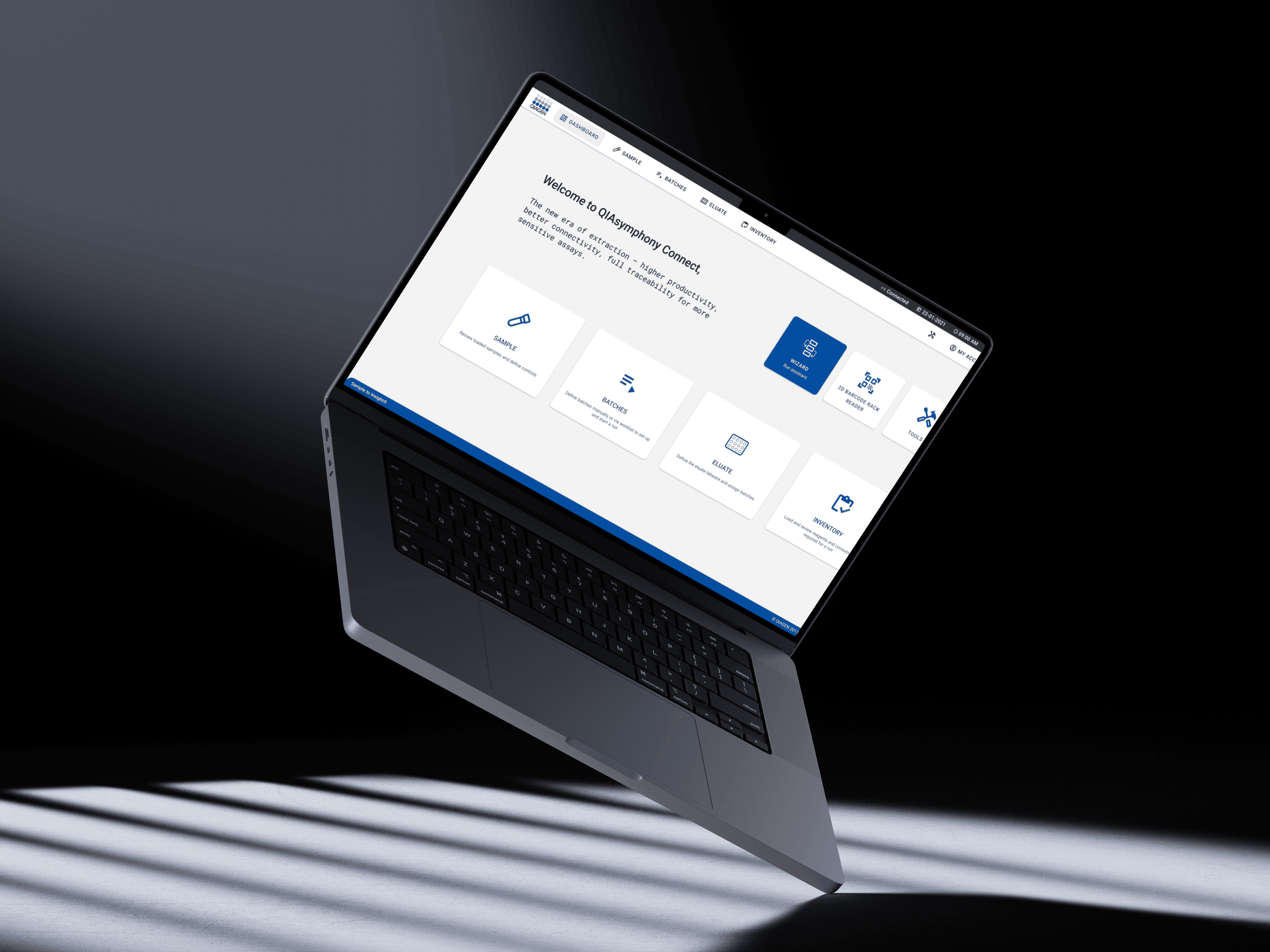
About The Project
Project Overview
Role: Senior Product Designer / Usability Engineering partner (Human Factors + R&D)
Product: QIAsymphony automated sample prep + assay setup platform (IVD / molecular workflows)
Objective: Reduce use errors in high-throughput lab workflows while producing audit-ready usability engineering documentation (IEC 62366-1 + ISO 14971 + ISO 13485-aligned).
My Responsibilities (Two-track delivery)
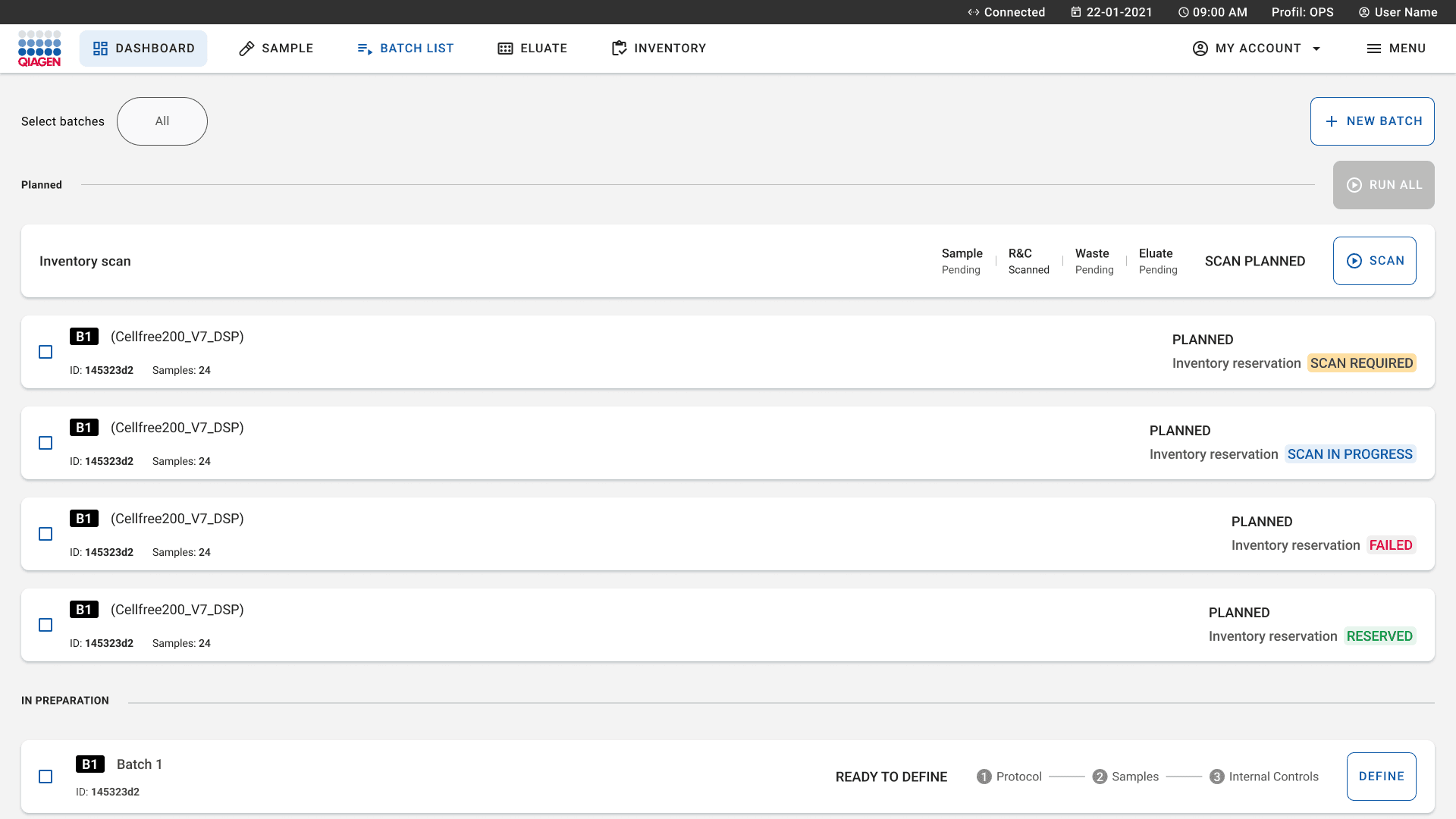
Track A Improve the operator workflow (product UI/UX)
Identify critical tasks and error conditions that matter most (risk + frequency).
Redesign interaction points to prevent errors, reduce ambiguity, and simplify recovery paths.
Track B: Build the usability engineering evidence system (operational structure)
Define a consistent way to capture issues, rate severity, tie findings to risk controls, and produce audit-ready outputs without rework.
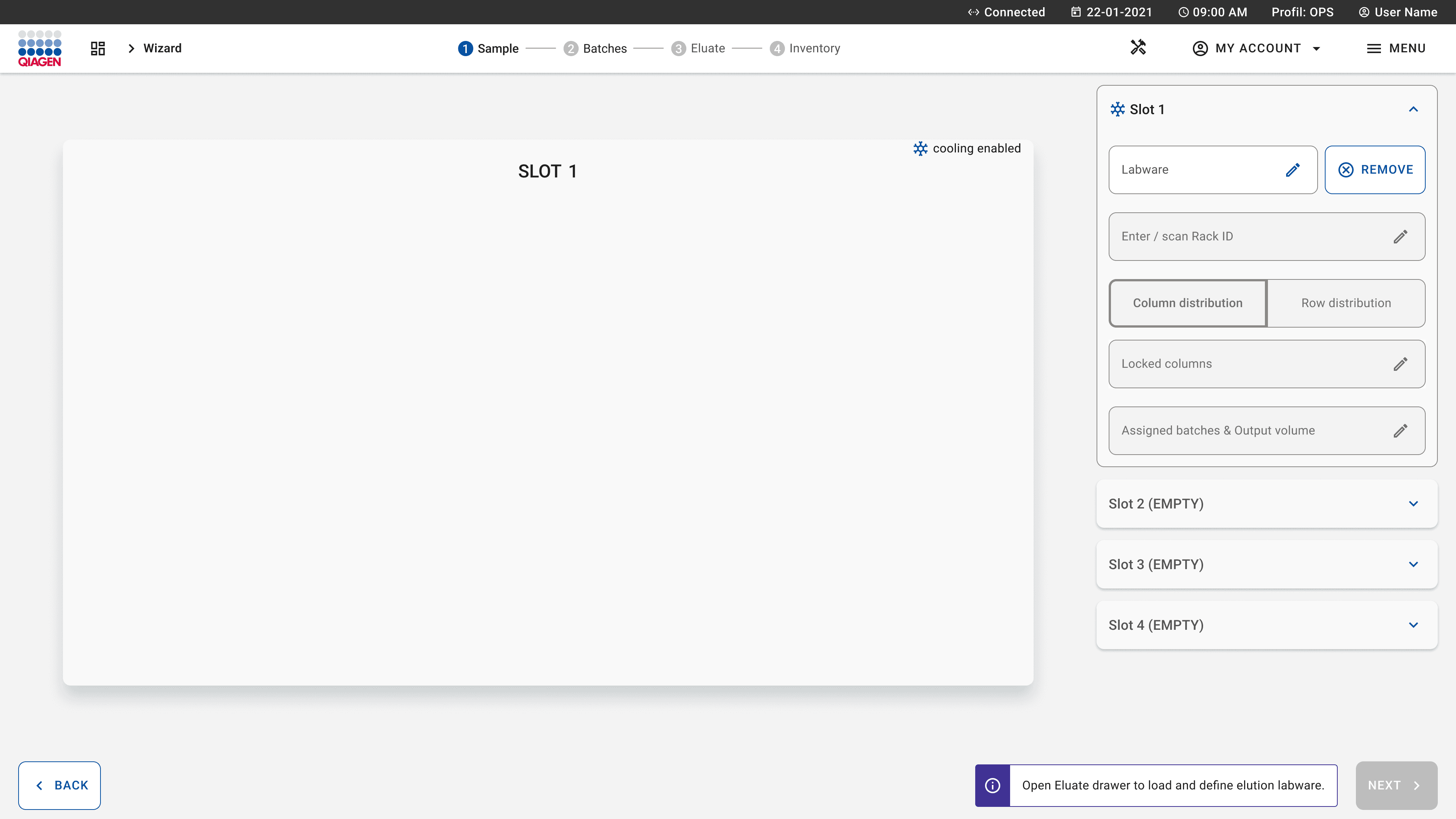
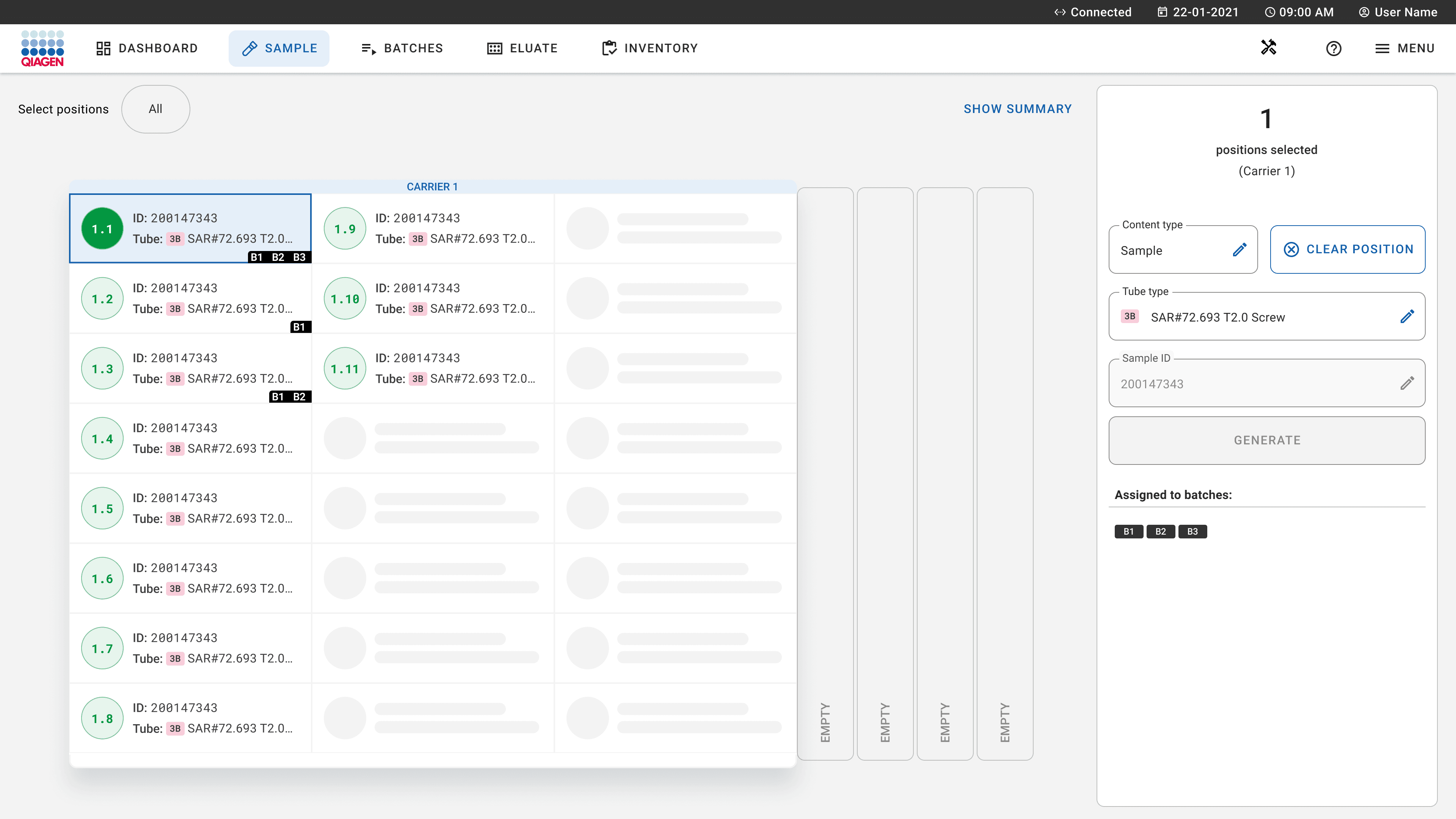
Wireframing & Prototyping (How it was designed)
Low-fidelity wireframes focused on:
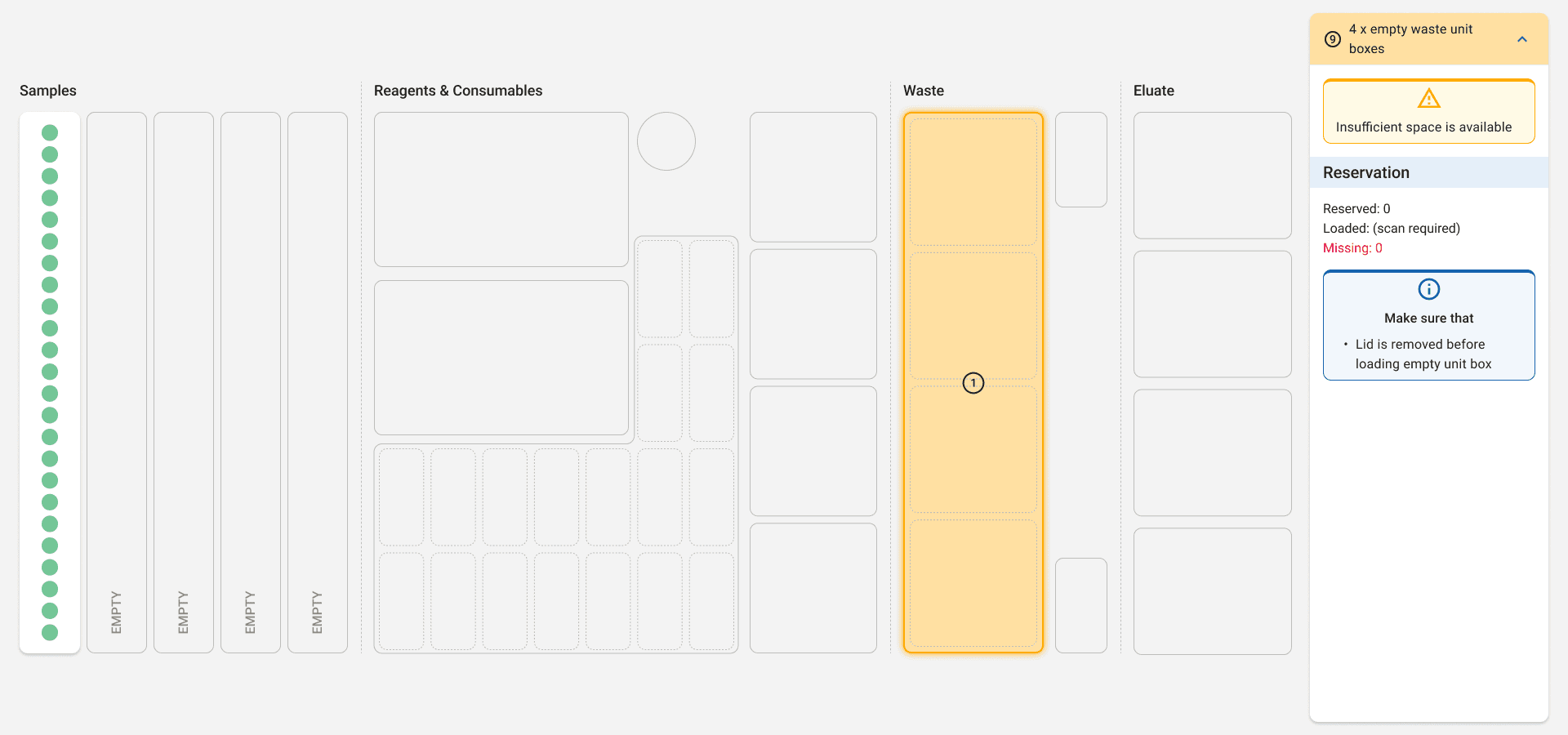
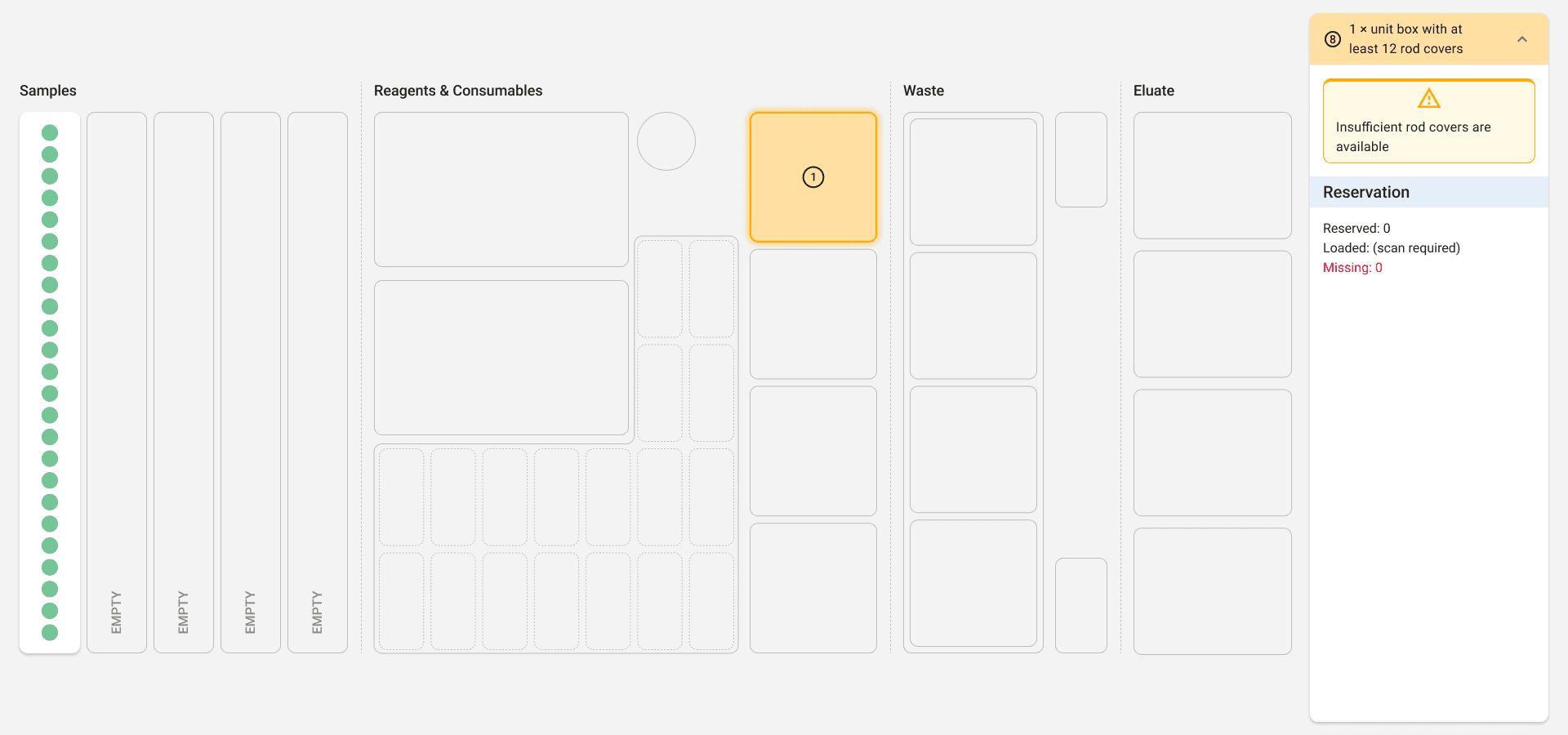
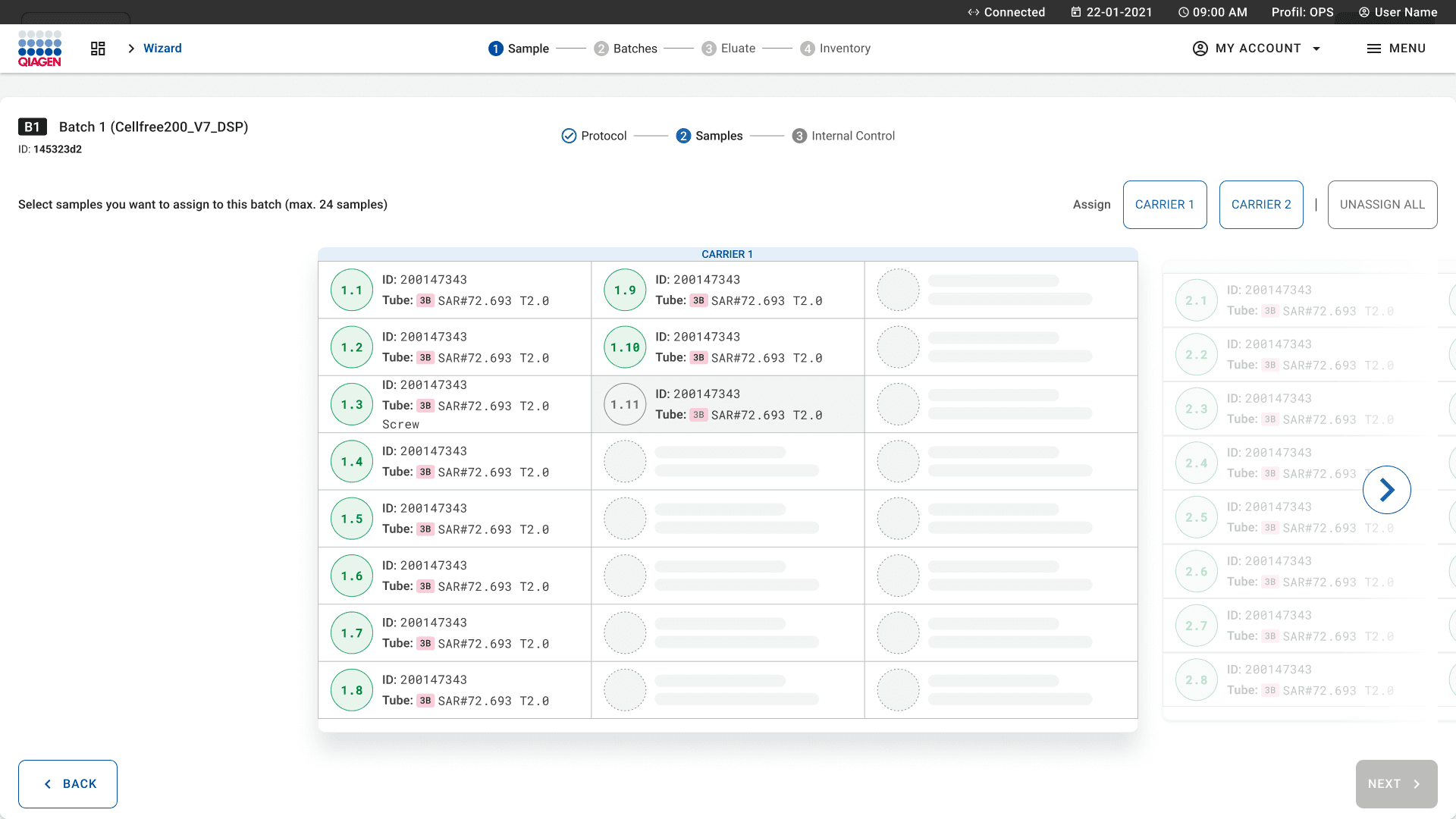
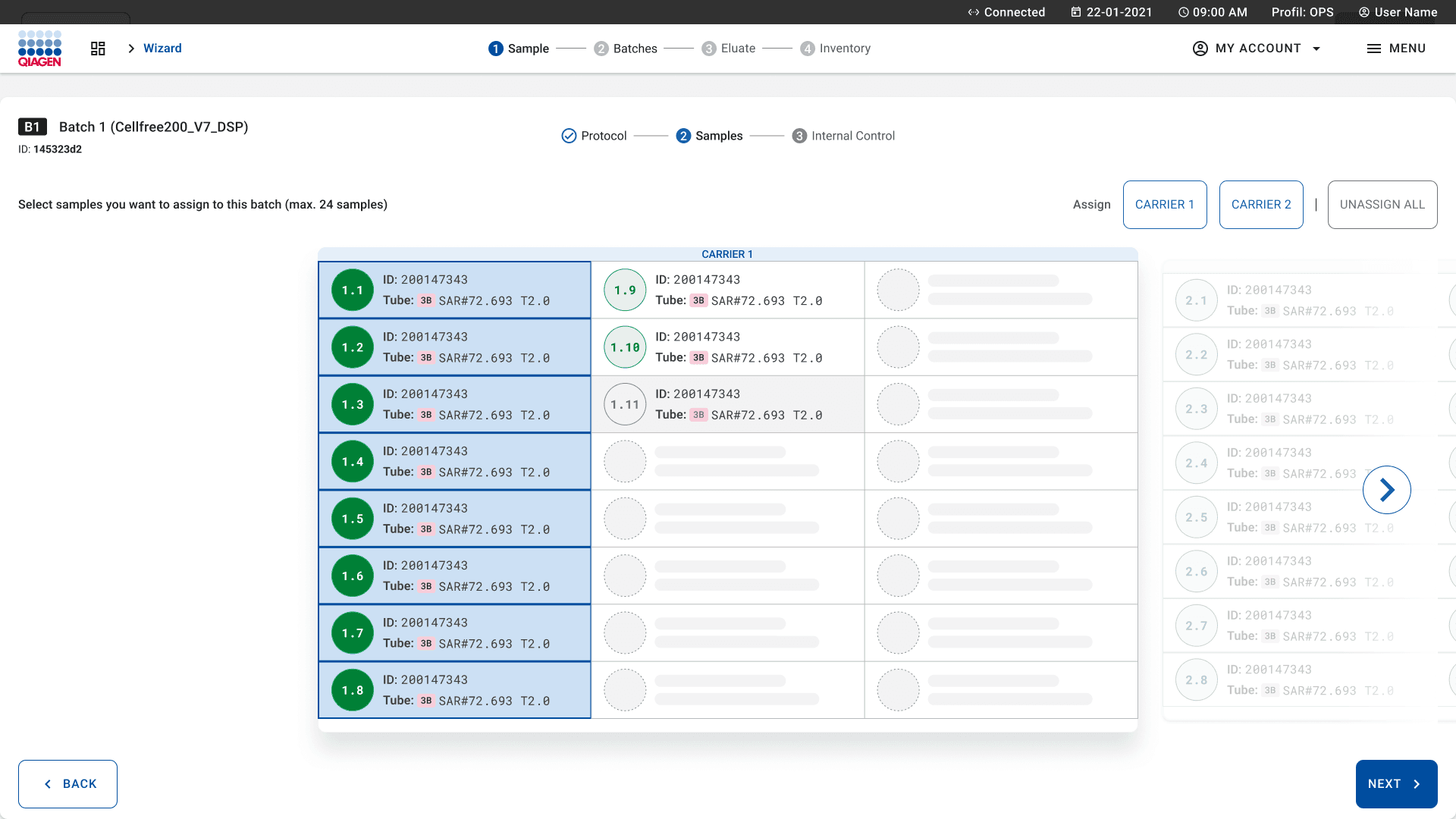
Setup sequence clarity (what’s next, what’s required, what’s missing).
Prevention constraints (blocking states vs warning states).
Recovery experience (how to resume safely and quickly).
Interactive prototypes used to validate:
Time-to-setup flow and reduction of backtracking.
Comprehension of alerts under stress.
Operator success in recovering from interrupted runs without external help.
Deliverables (Tangible outputs)
Product design outputs
Operator flow maps (happy path + failure modes)
UI behavior specs for validation gates, confirmations, and recovery
Alert content guidelines + component rules (severity-driven)
Clickable prototypes for formative testing
Usability engineering evidence outputs (audit-ready)
Task Analysis (critical tasks, potential errors, severity rationale)
Use-related Risk Traceability (linking findings → mitigations → verification)
Formative study plan + scripts + success criteria
Findings log structured for engineering action + compliance traceability
Summative readiness checklist (what evidence is needed, what’s missing)
Context & Problem Statement
QIAsymphony sits in a high-stakes environment: clinical and research labs running time-sensitive workflows under strict SOPs. Small interaction mistakes can cascade into failed runs, delayed results, wasted consumables, or compliance risk.
Core problems observed in the operator experience
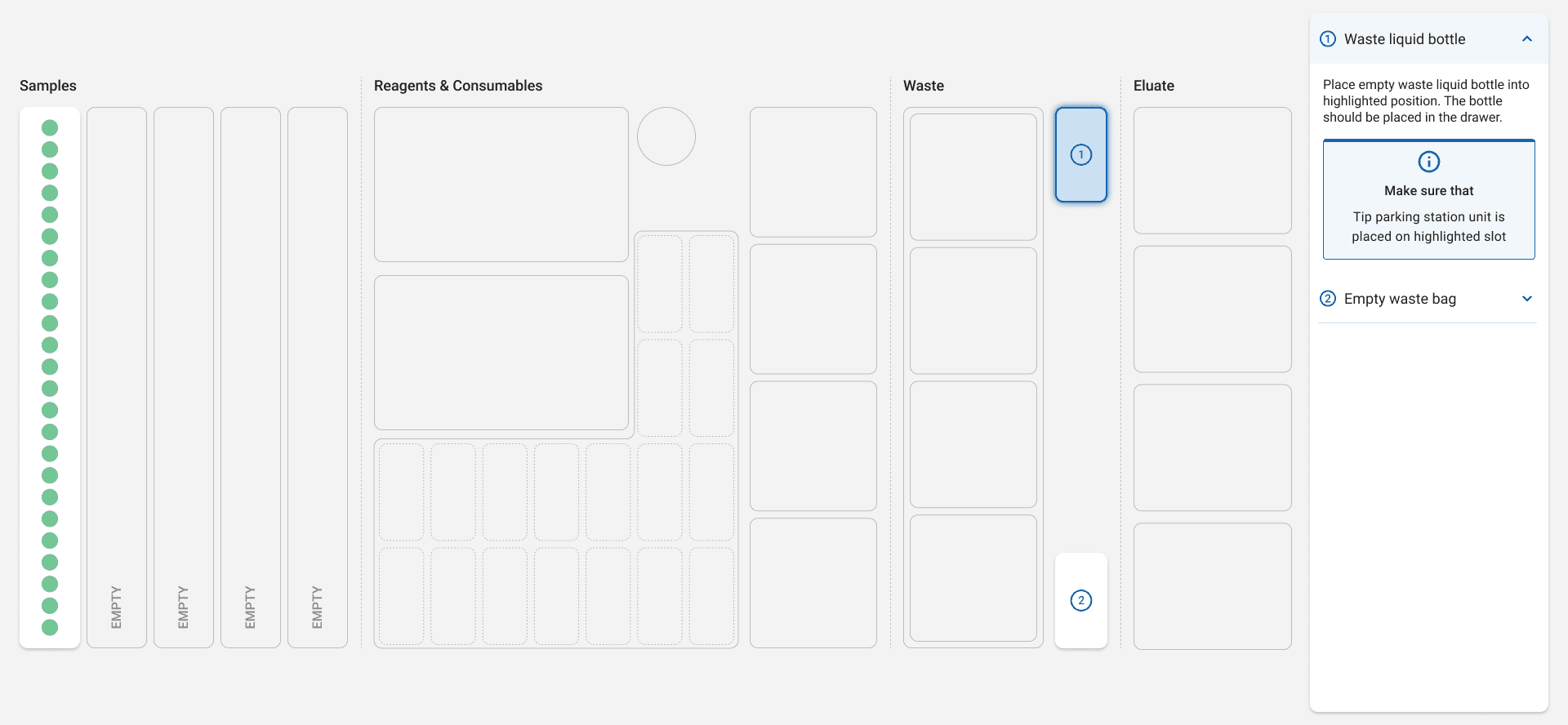
Error-prone setup: mis-loading consumables/reagents, wrong kit selection, wrong sample/rack placement, missed pre-checks.
Weak “prevention” design: the UI often reported errors after the fact instead of preventing them up front.
Recovery complexity: when a run failed or paused, operators struggled to identify exactly what to do next without heavy reliance on manuals or senior staff.
Documentation burden: usability findings were not always structured in a way that made traceability to risk controls and design decisions effortless during audits.
User Research & Insights (What I did)
Contextual inquiry with operators (setup, run execution, interruptions, cleanup).
Task analysis of end-to-end workflows (normal + edge cases).
Heuristic reviews against established usability principles + safety-critical UI conventions.
Formative usability testing with representative operators using realistic scenarios and failure injection.
Key insights that shaped the solution
Operators don’t “explore” the UI they execute SOPs under time pressure. The UI must behave like a checklist with guardrails.
Most costly failures came from a small set of repeatable mis-steps (kit selection, consumables placement, run confirmation).
“Error codes” were not enough operators needed plain-language cause + exact recovery steps.
Usability evidence was hardest not to create but to maintain with traceability across iterations.
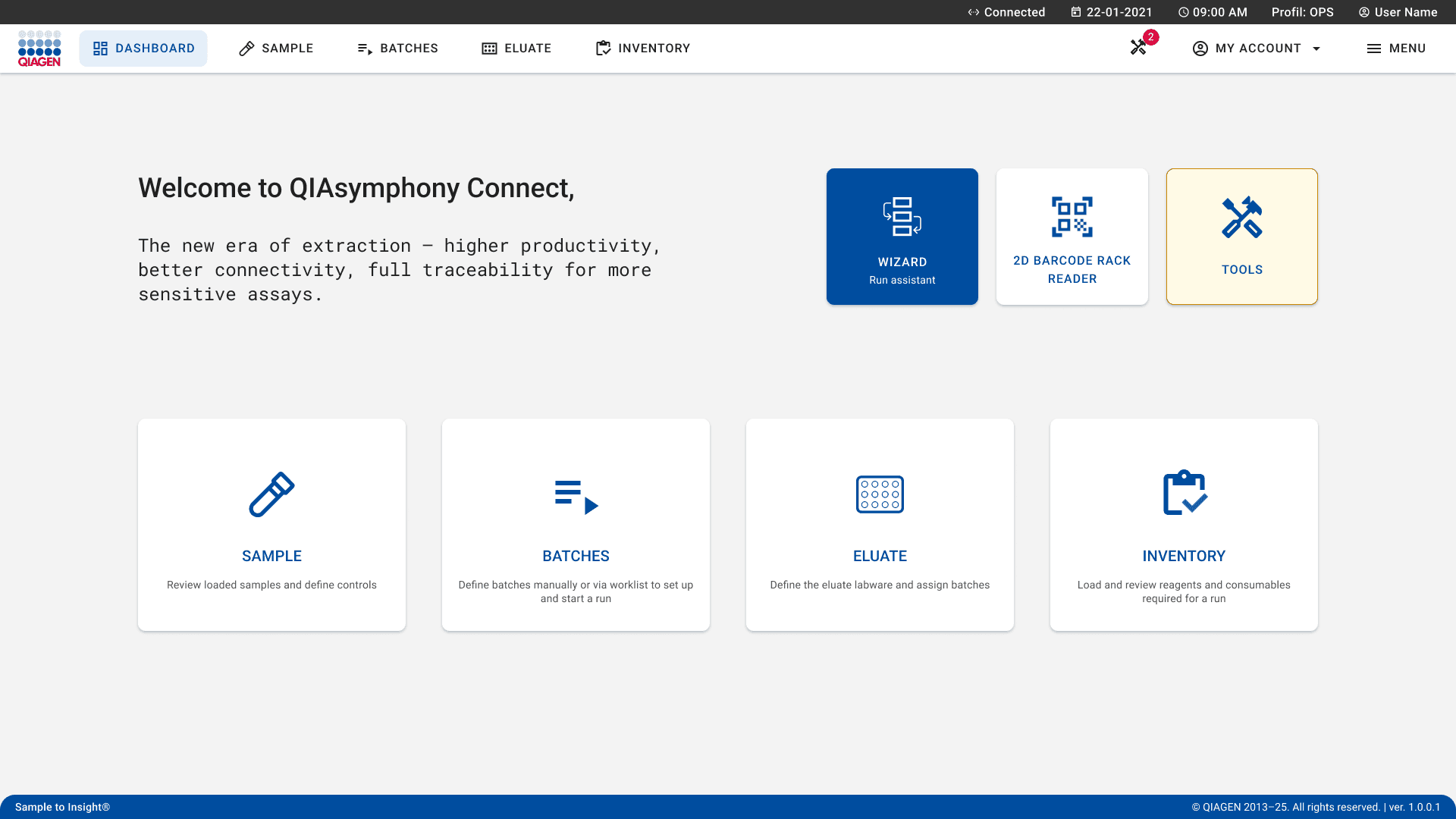
Impact Metrics & Outcomes
Fewer setup-related deviations due to prevention-first validation.
Faster operator onboarding due to consistent patterns + guided setup.
Reduced run interruption time due to actionable recovery guidance.
Lower audit friction because usability outputs are traceable by design, not rebuilt later.
Why This Mattered
QIAsymphony isn’t a “nice UI” problem. It’s a human reliability problem in a regulated environment. The work delivered two things that matter in reality:
A safer, more error-resistant operator workflow, and User Interface design, and
A repeatable usability engineering evidence system that scales across releases and stands up in audits.